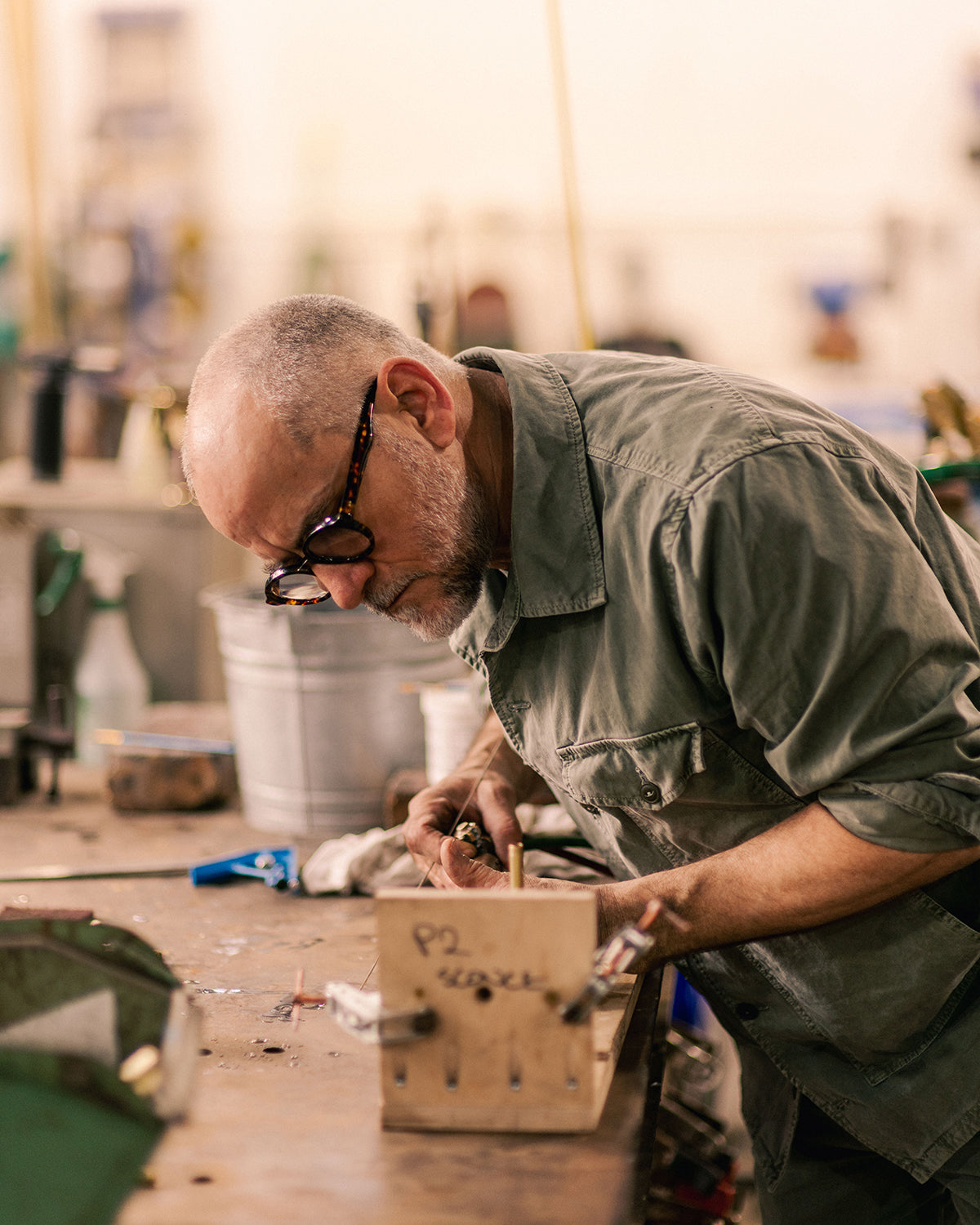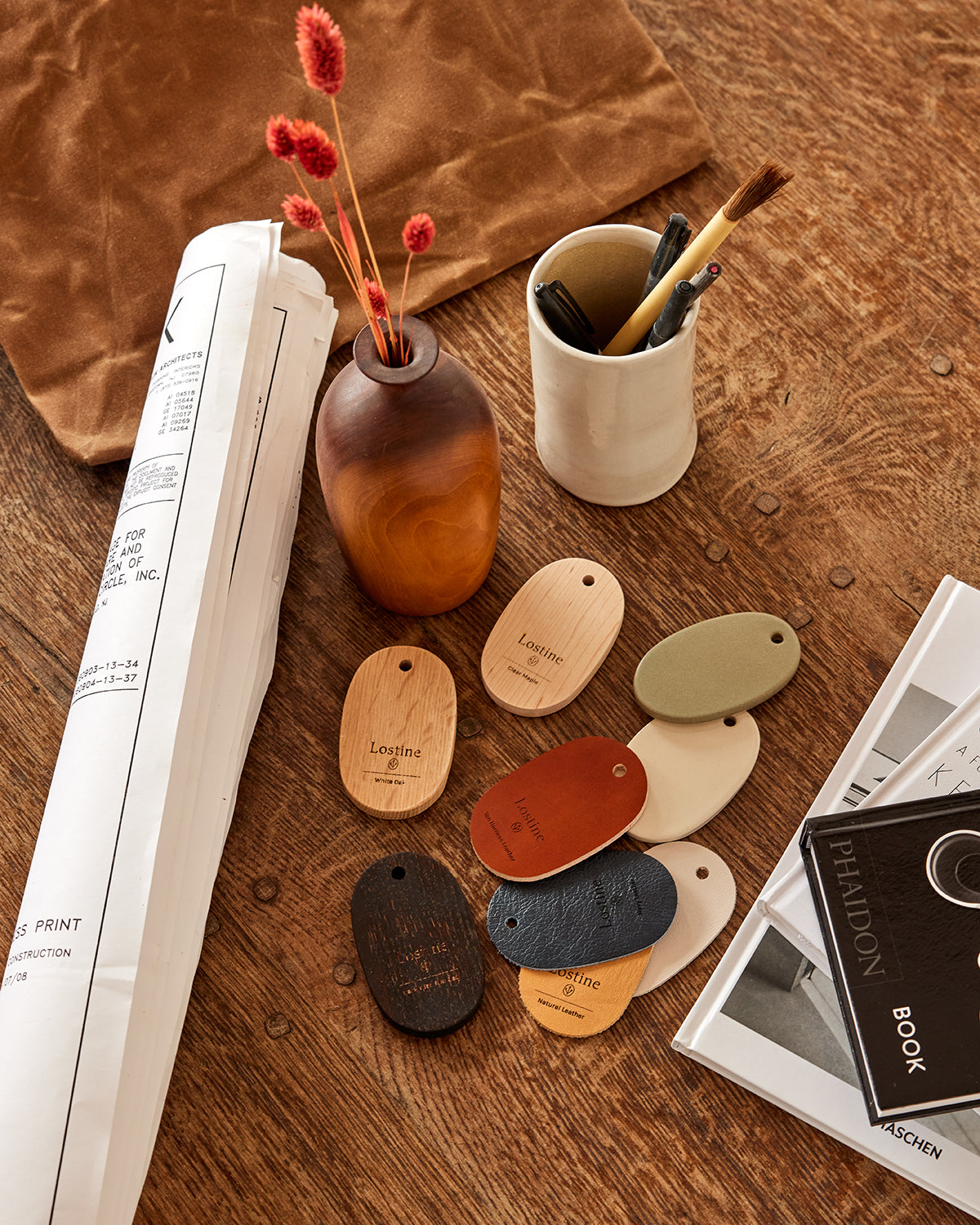

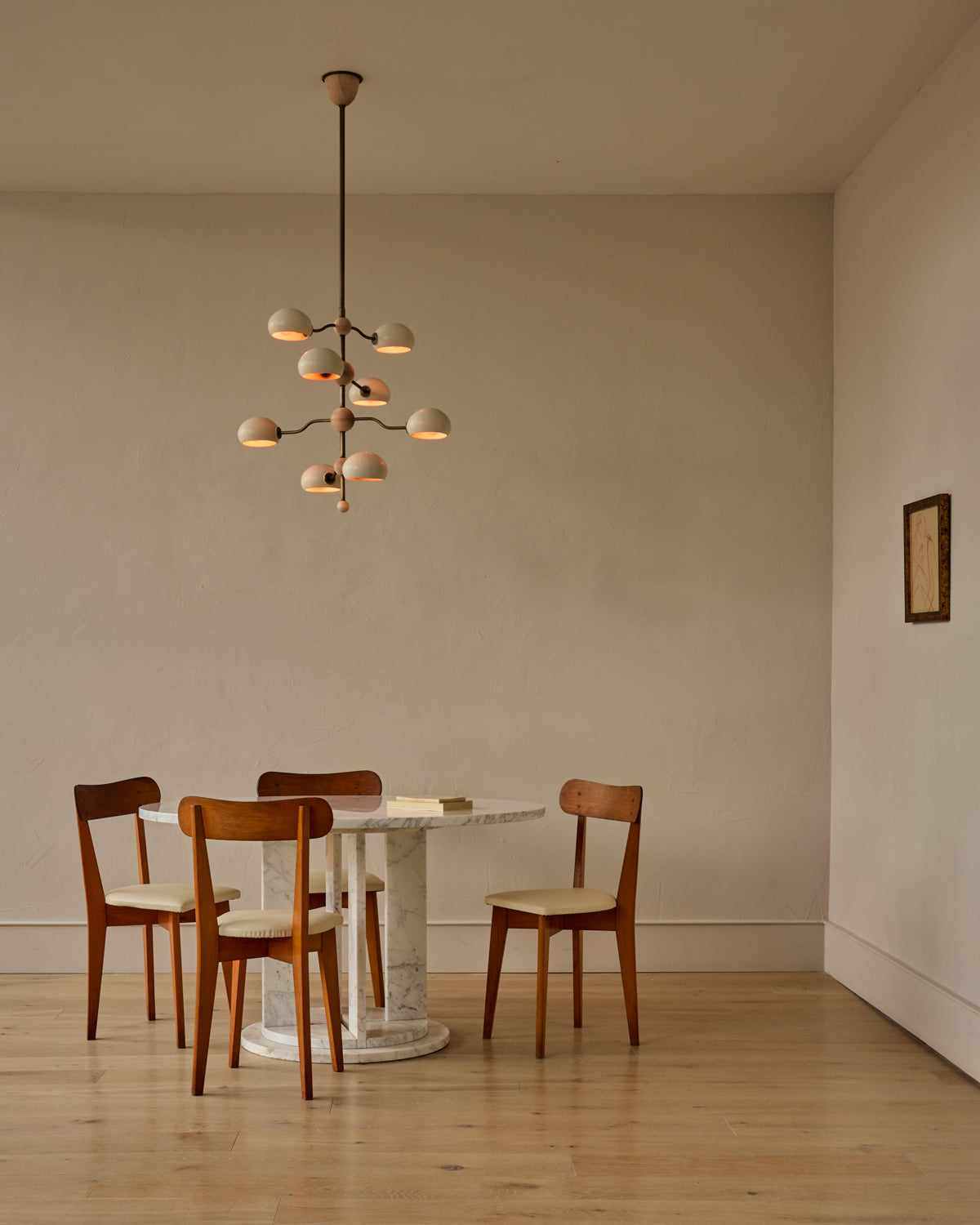
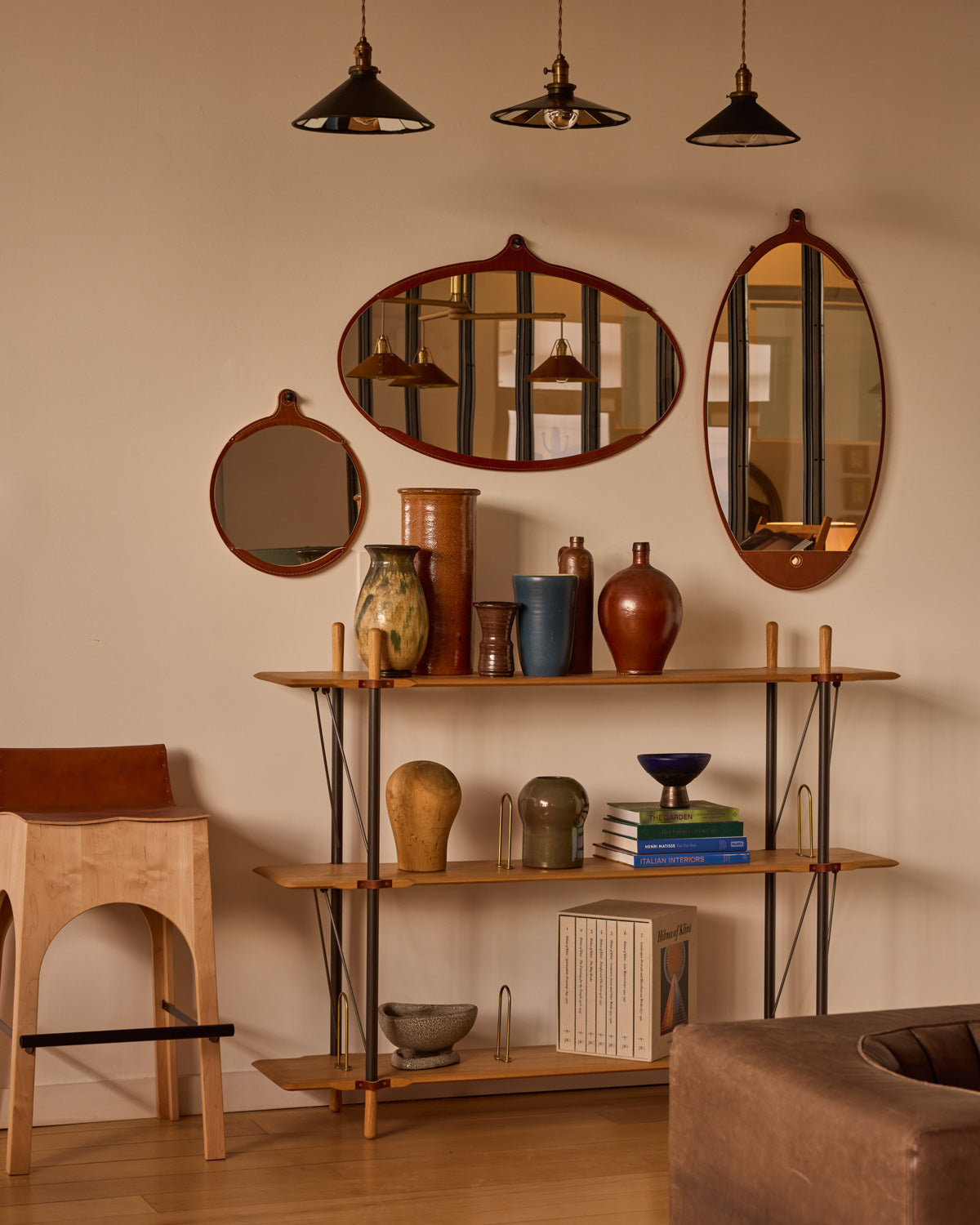








There’s a quiet practicality to the way Sample House approaches sourcing. Founded by material librarian and curator Michael DeChillo, the New York–based studio was created to make discovering materials and makers feel more thoughtful, accessible, and sustainable for the design community. With a strong point of view rooted in craftsmanship and material integrity, Sample House has become a trusted resource for designers looking for beautiful, enduring materials. In this conversation, we speak with Michael about curation, material culture, the evolving needs of the industry, and the enduring appeal of timeless, well-made design.
Lostine: We love learning about the entrepreneurial journey - so tell us, what led you to start Sample House?
MD: Sample House came to be after working as a Material Librarian for larger firms such as Workstead & Adam Tihany. My day-to-day included curating, organizing, sourcing, and maintaining their in-house libraries for their respective aesthetics. Over time, I developed relationships with vendors across different categories. I began to hear directly from designers and architects that the old workflow of going showroom to showroom was exhausting, finding sufficient time to discover new vendors or materials was rare, and there was no effective process to improve on the amount of waste this industry creates. This community was due for a shift, which led me to develop this idea of a highly curated material library that can help solve these issues and start to change the way the trade sources.
Lostine: Did you always want to work in the design industry, or did the category find you?
MD: I've always wanted to work in the design industry, but it took me a while to actualize that passion. I honestly didn't even know this role existed until about four years ago when I came across an opening with the Workstead team. I always admired their work, both in their interiors projects and lighting.
Lostine: How do you approach curation - what makes a brand or material “right” for Sample House?
MD: There are honestly so many reasons a brand could fit Sample House. I want to consider quality, story, craft appreciation, and ideally I like to work with a brand that is easy and friendly to collaborate with. This helps drive trust and confidence both for designers and vendors alike. I also want to make sure Sample House showcases materials and brands designers struggle to get the opportunity to discover.

Lostine: What are your clients asking for when sourcing samples for lighting?
MD: Typically, it's either a certain shape or format. Designers are also excited to see unique materials for light shades.
Lostine: For the design enthusiasts at home who haven’t used samples before, why is this a helpful resource for their projects?
MD: Anyone can make an appointment at Sample House, but I try to recommend a homeowner visit with an interior designer or architect. Sample House primarily works with the trade directly, but if someone is unfamiliar with samples and the importance of a material library, this resource is helpful because it filters out the overwhelming amount of material options and takes away the sales-like environment, allowing clients to be creative and compare materials in one place.
Lostine: Are there any materials you think are under-appreciated right now?
MD: I find it surprising that cork isn’t more often used in projects.

Lostine: Have you seen any emerging design trends that pair especially well with Lostine’s aesthetic?
MD: I've been hearing more designers ask for USA-made or locally sourced. Lostine is proudly designed and fabricated in Philadelphia, which makes it easy to recommend for those projects.
Lostine: From your perspective, what makes Lostine a go-to resource for designers looking for authenticity or character in a space?
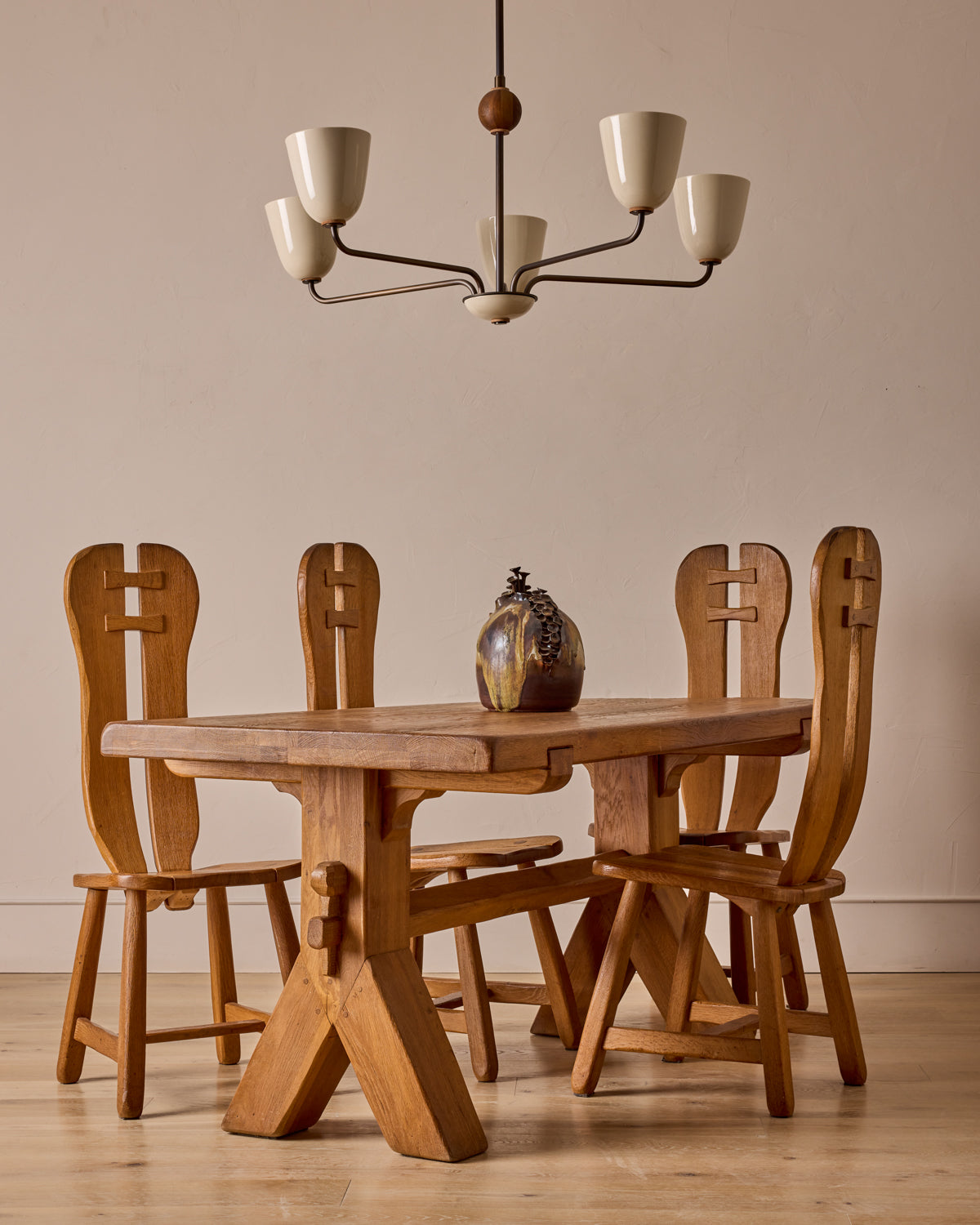
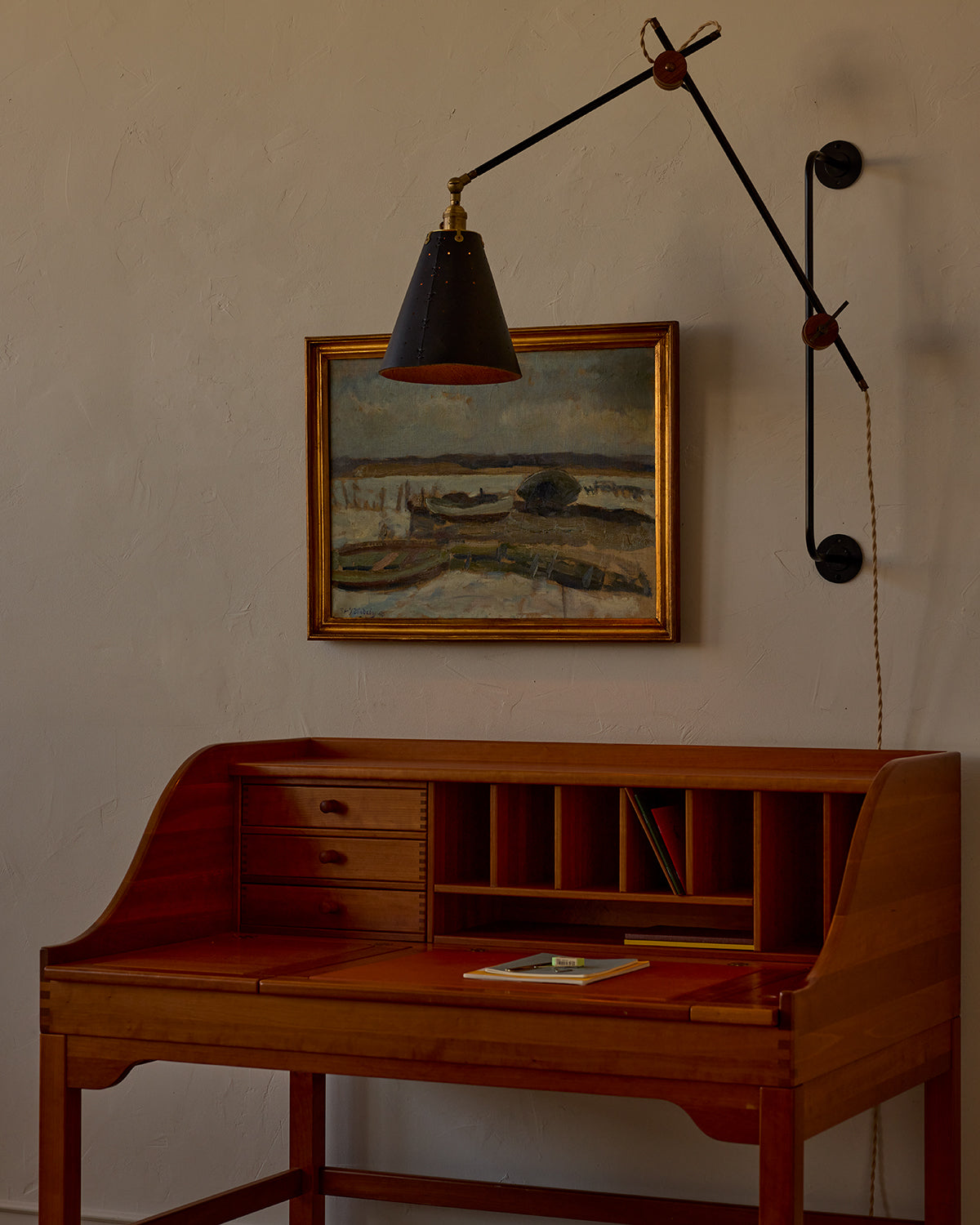
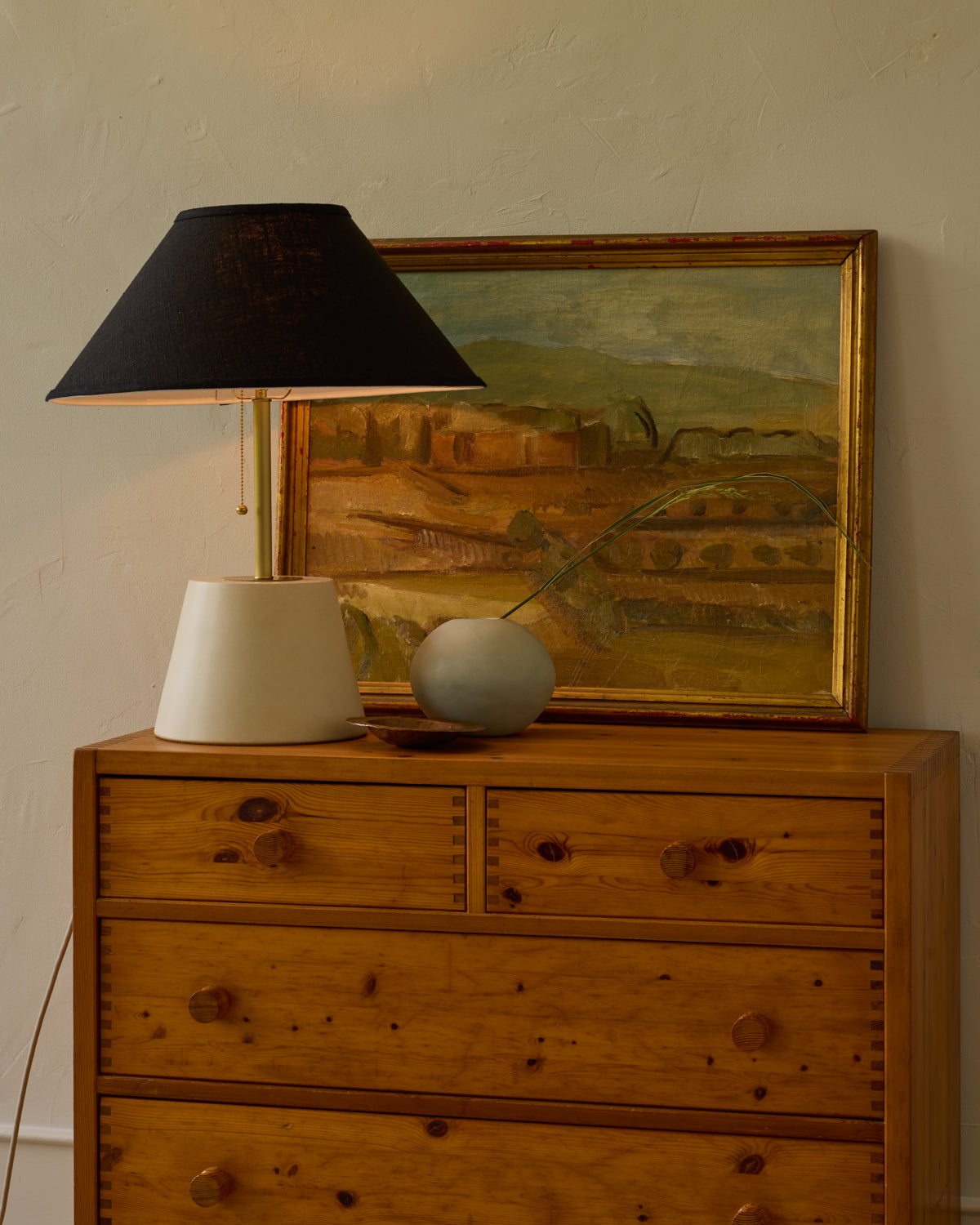
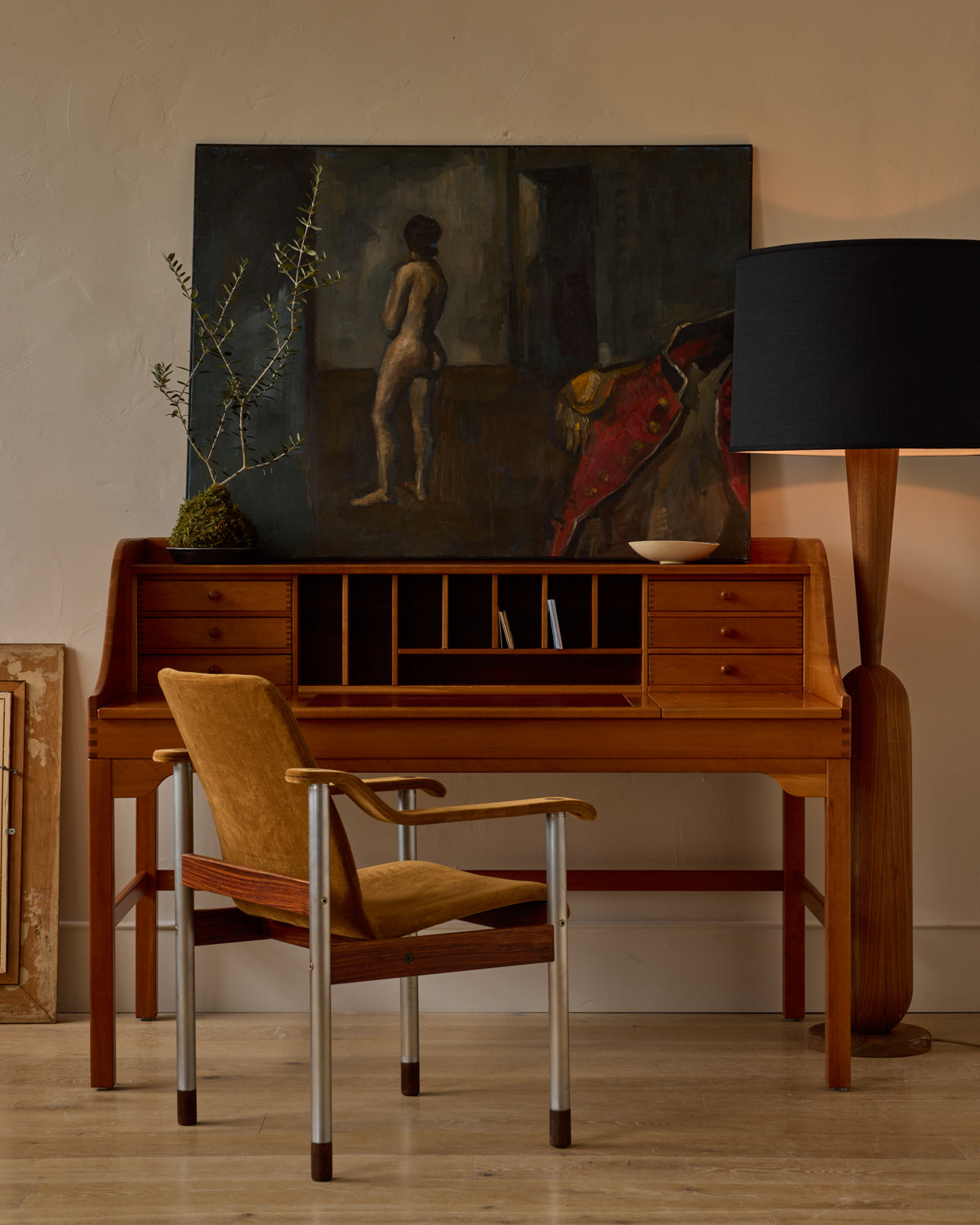
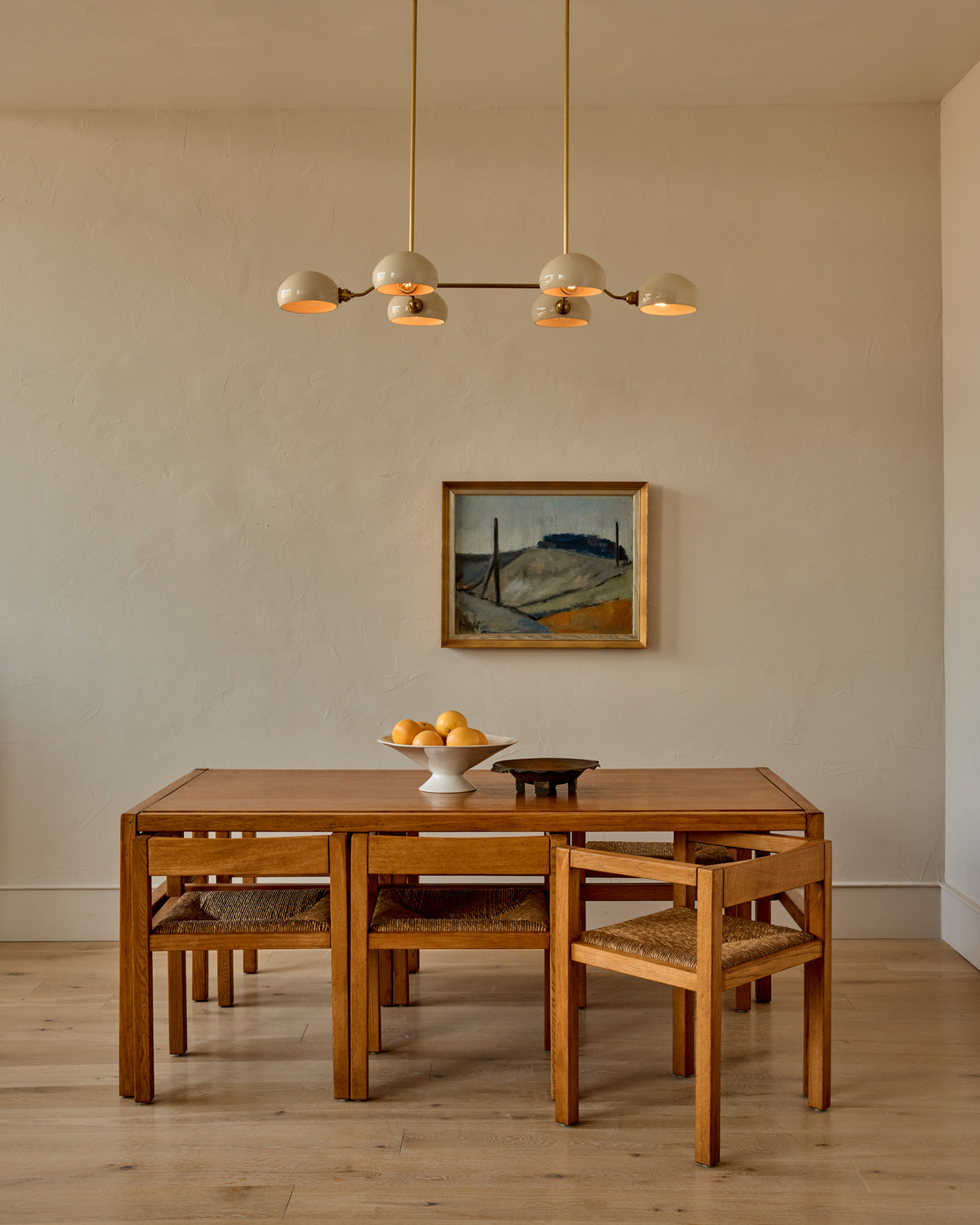
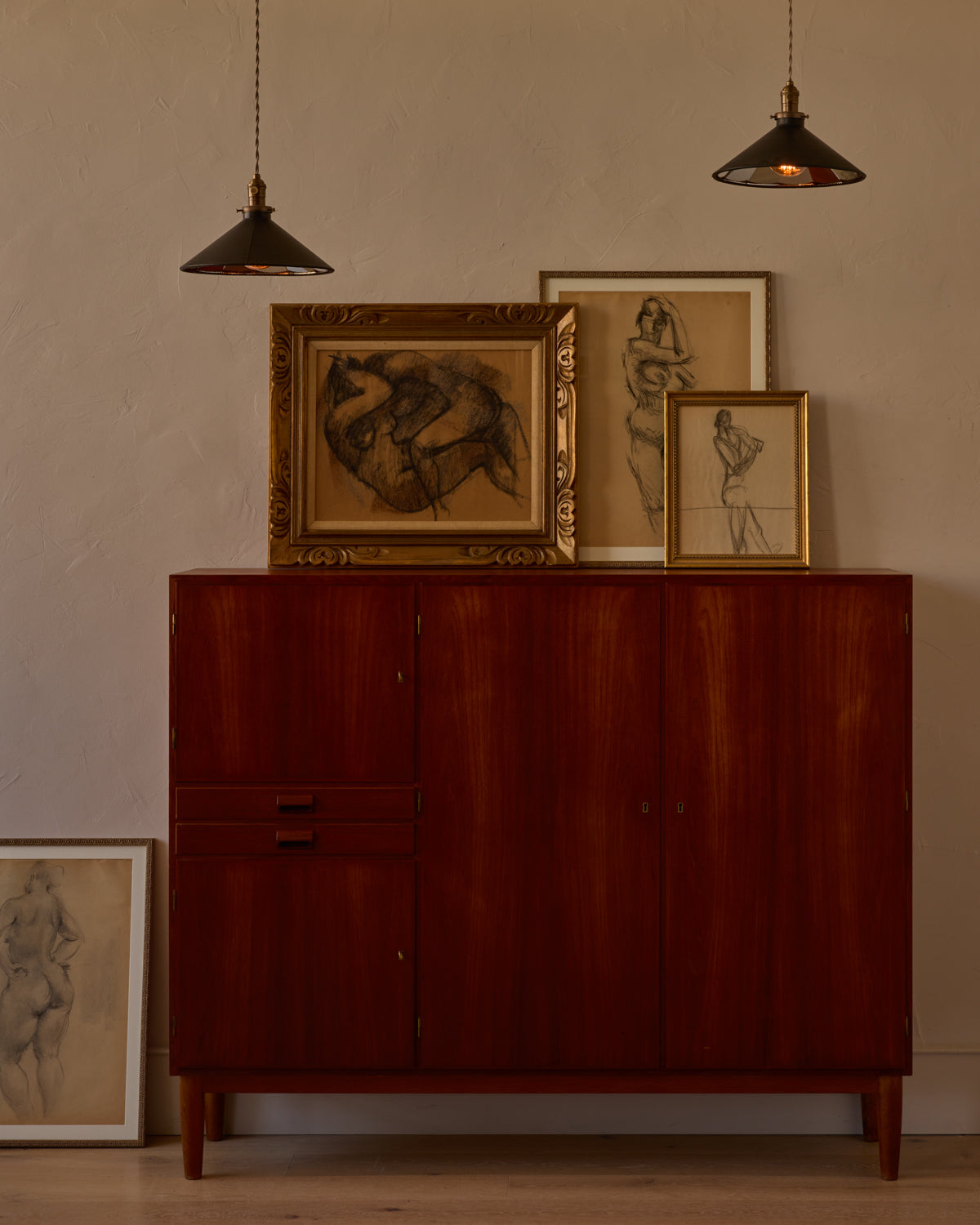
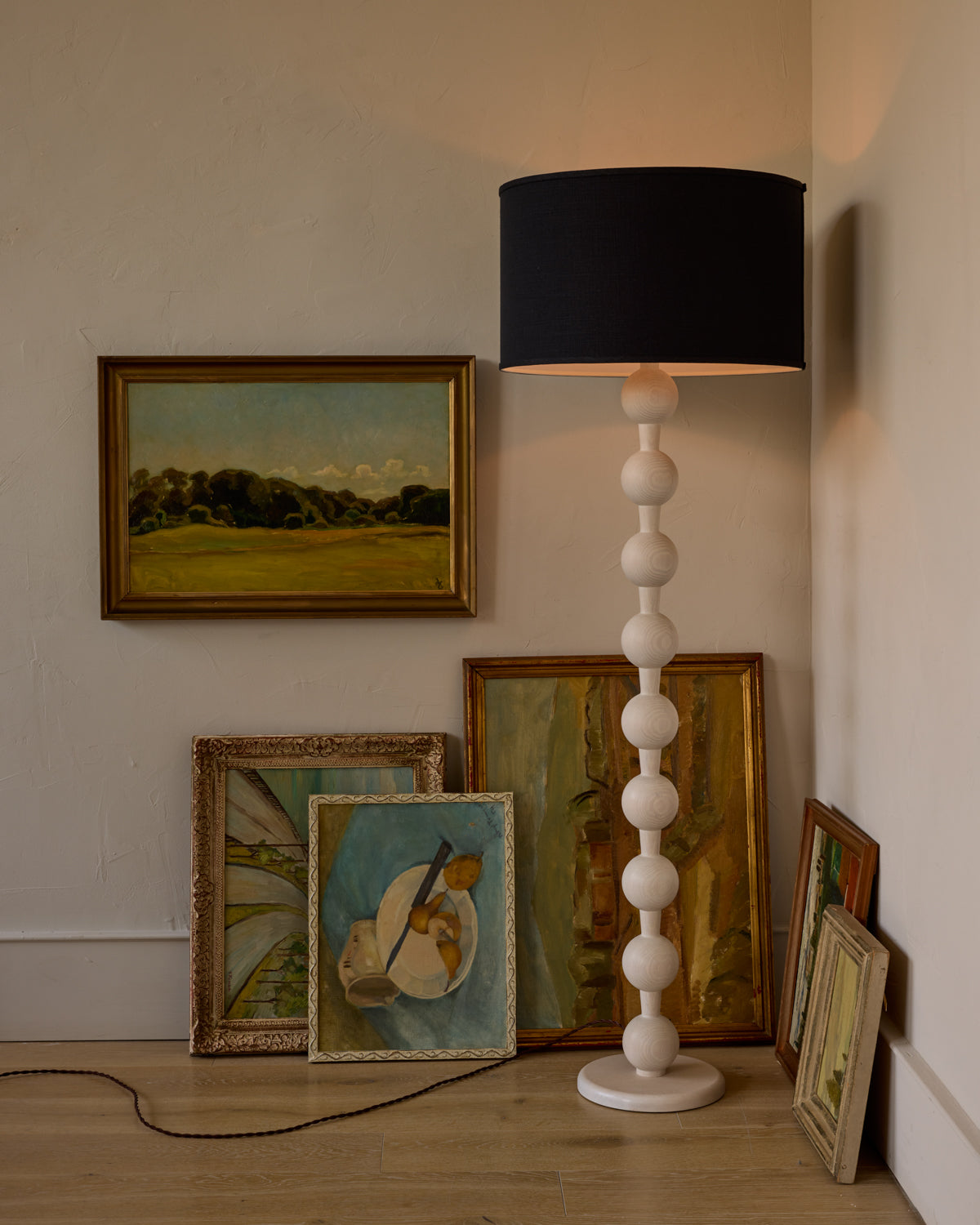
MD: Lostine offers both contemporary products with a timeless approach alongside a tasteful selection of vintage pieces to help offer a cohesive offering to their clients.
Lostine: What materials have you used in your own home? What draws you to them?
MD: I have installed terrazzo tiles, custom white oak, and ash millwork. I think the quality and unique finishes really drew me to them.